Palate as Portal
How to travel like a curious eater
By Charity Auger, luxury travel advisor · Path & Palate by Charity
Published
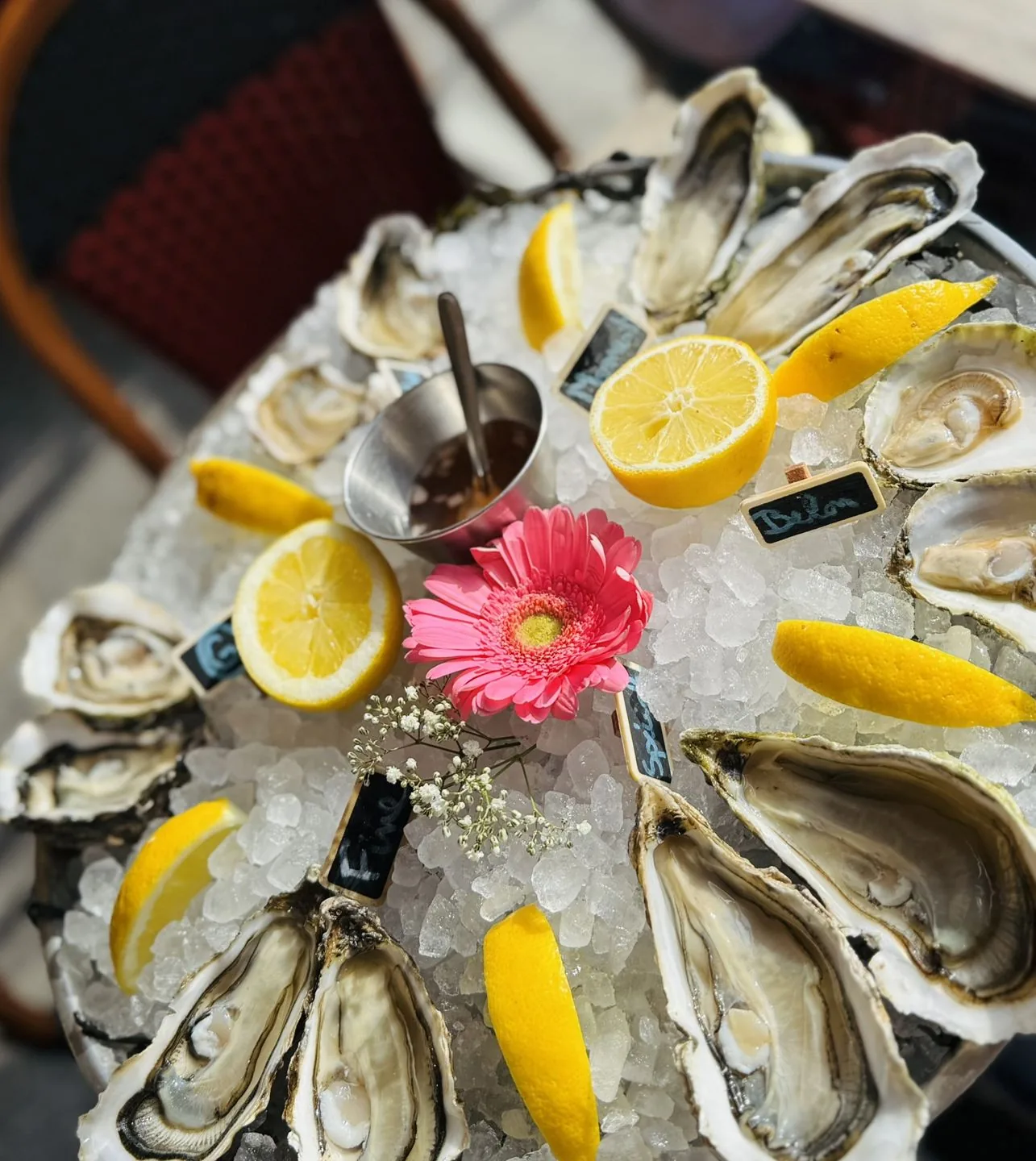
I find the best food in a new city the same way every time. I book the first night before I land. Then I ask the people who work there where they eat.
That second step is where the good meals come from. On a food tour in Lille last March, my guide, Gael with No Diet Club, walked me through croquettes at Bocal, macarons at Le Lautrec and cream puffs at L'Ogre de Carousselberg. Then he gave me a long list of his own favorites for the rest of my stay. That list was worth more than any top 10 I could have found online.
I'm Charity Auger, a culinary and wine travel advisor, and this is how I eat when I travel. It's also how I plan meals for my clients.
How do you find where locals eat when you travel?
Start before you leave, then let the locals finish the job. I research and book the first night's dinner before I fly, so I'm never winging it on night one.
When I research, I ask 2 questions.
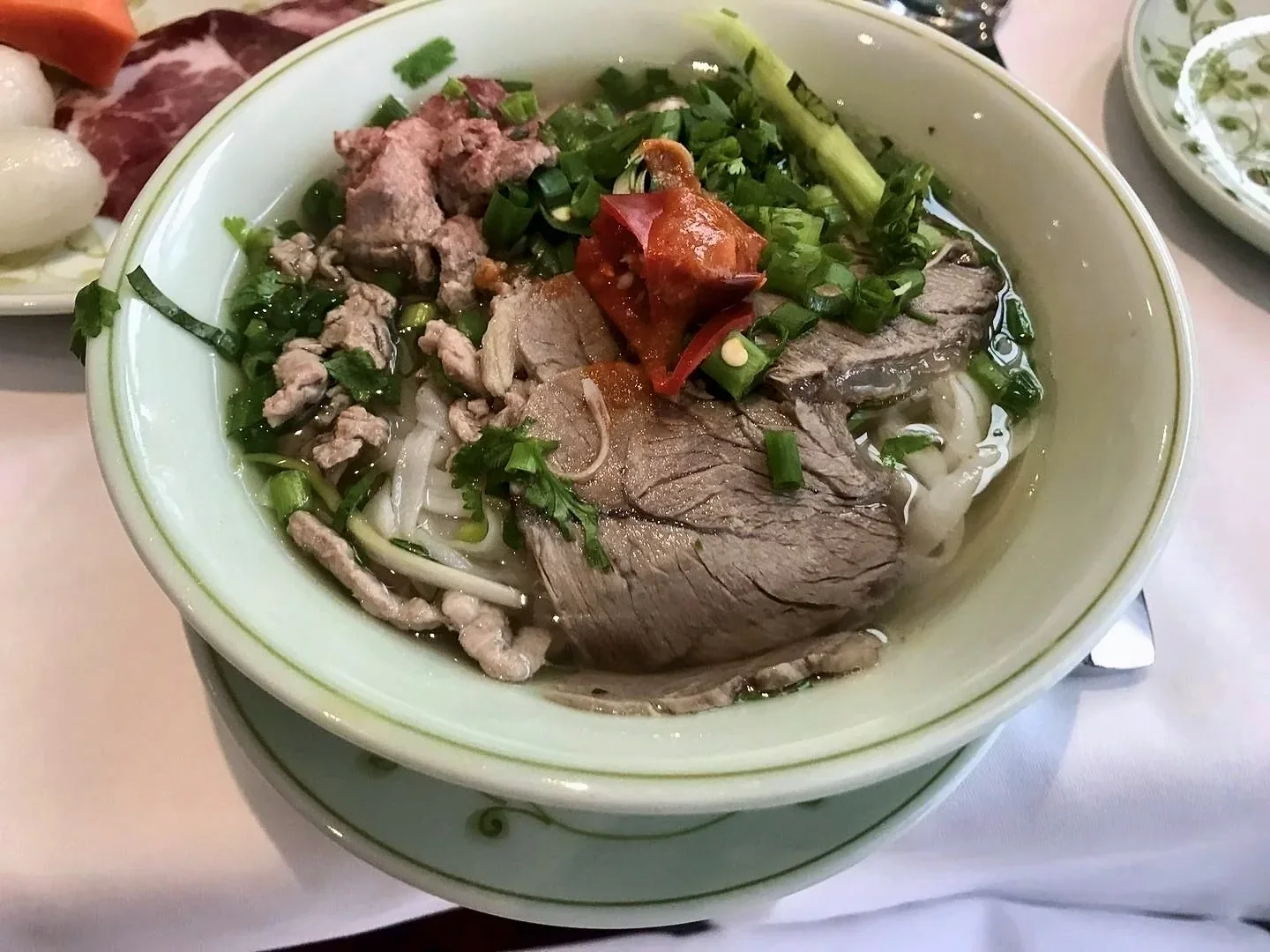
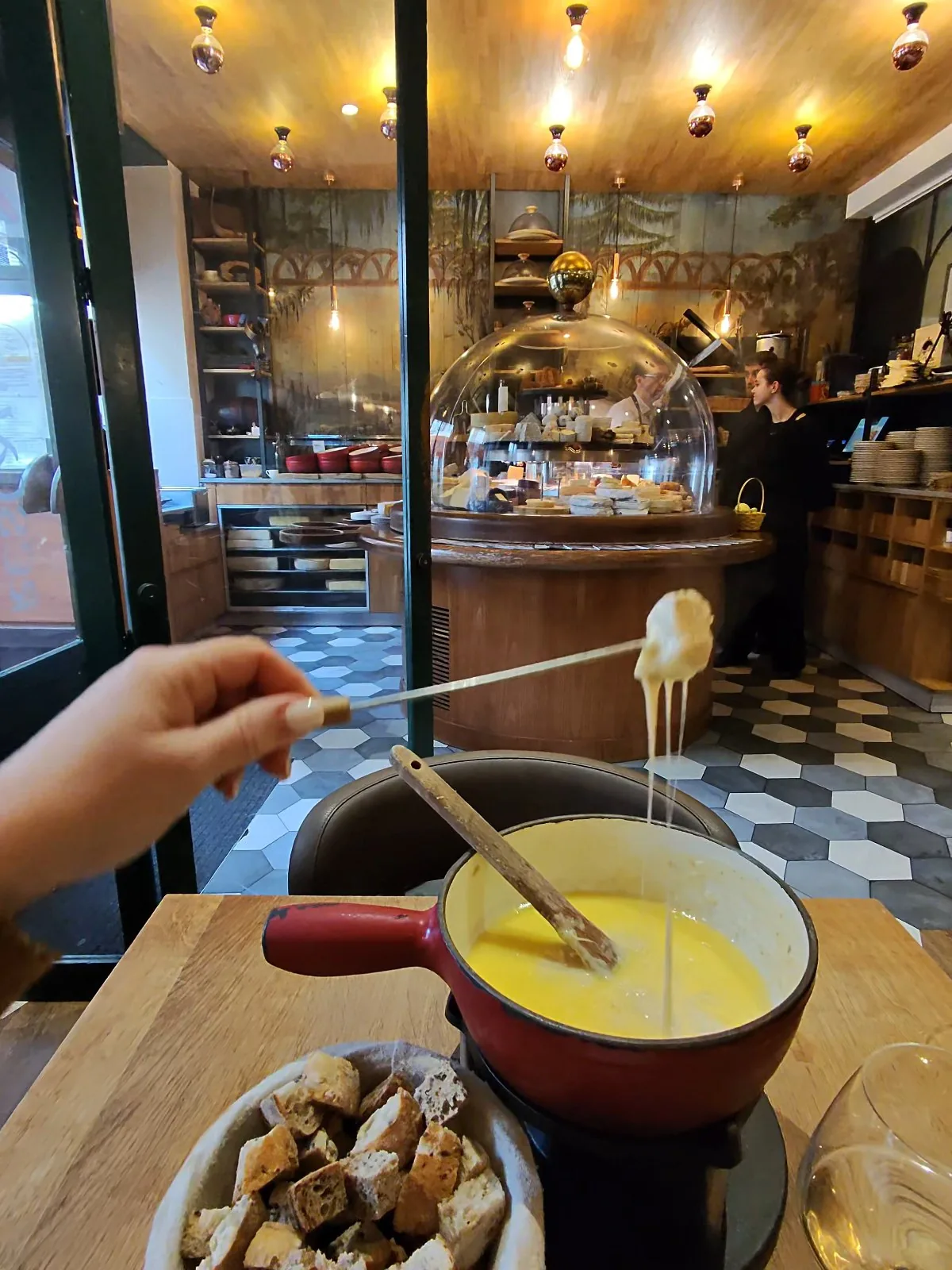
Where is the best version of the local specialty? In Hanoi, that's pho. In Strasbourg, it was fondue at La Cloche à Fromage, where the fromager picked cheeses right beside my table. I'd rather eat the dish a place is known for, made by the people who make it best, than a menu that tries to please everyone.
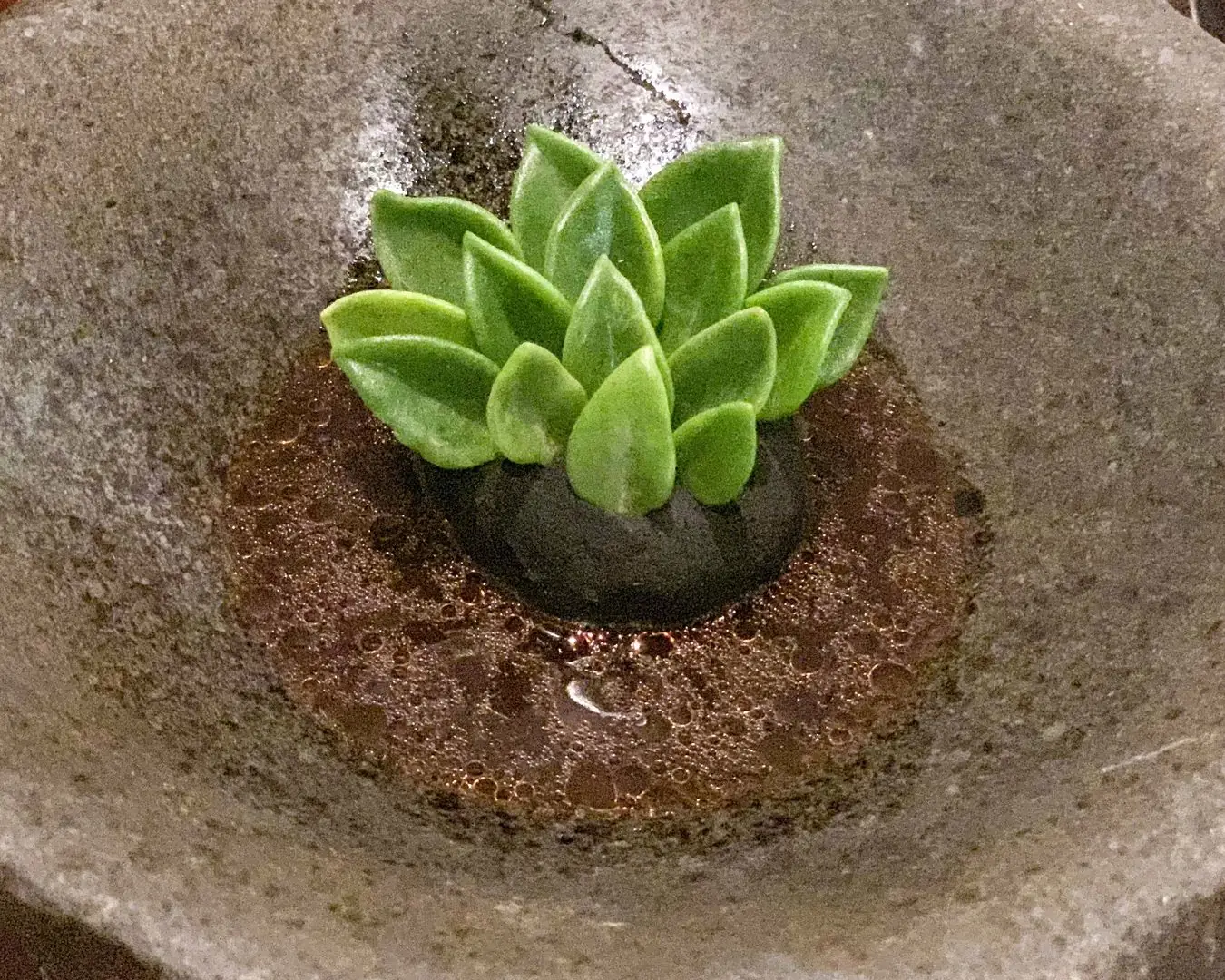
Where do the local chefs eat on their night off? Chefs know who's cooking well. That question is how I found Boragó in Santiago and Clairefontaine in Luxembourg.
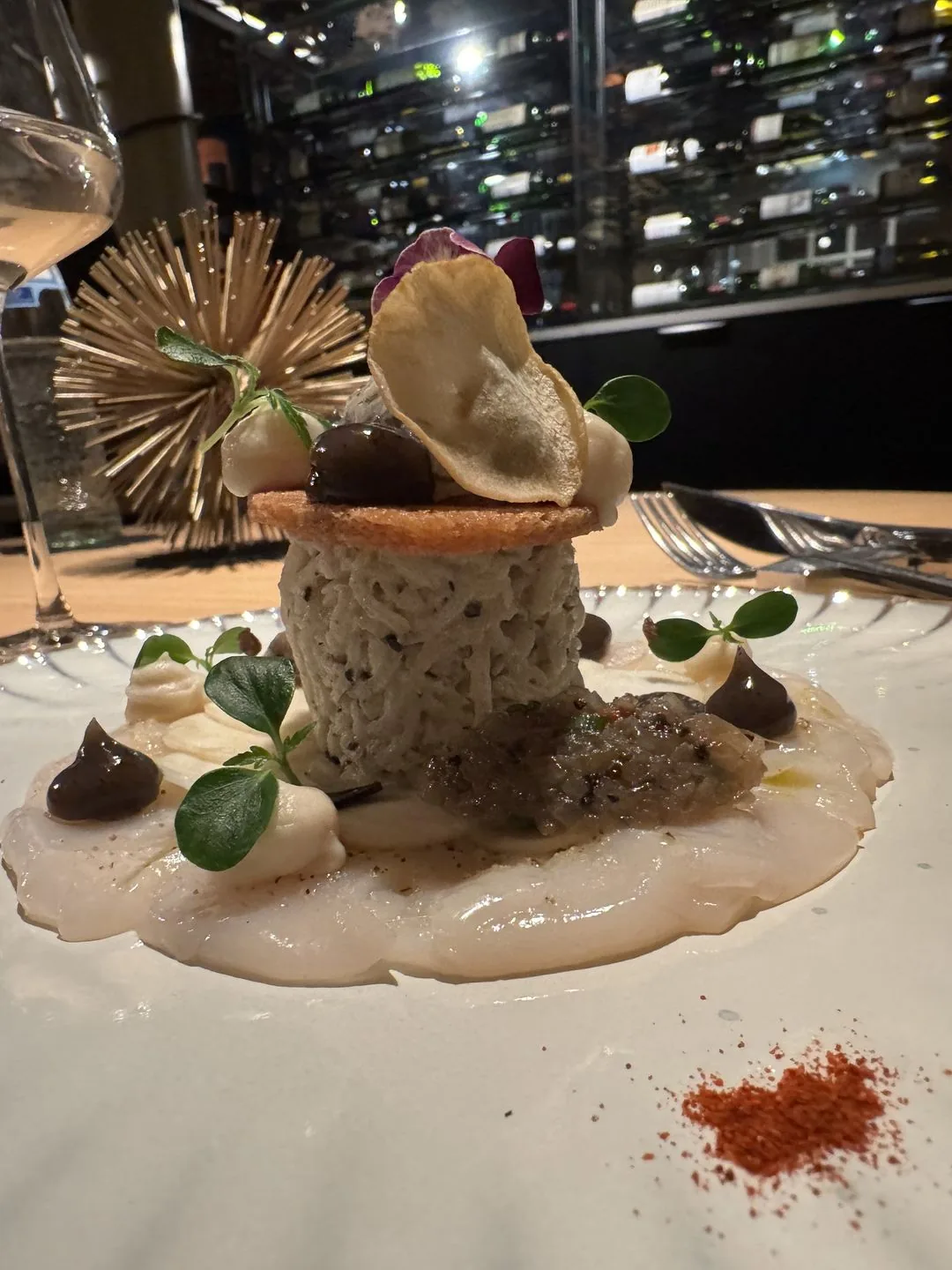
The rest of the trip I leave a little open. That's where the locals come in.
Who should you ask for restaurant recommendations?
Ask the people who work there. Guides, bartenders and hotel doormen eat out in their own city, and they know which places are worth it right now.
In Quito, the doorman at Casa Gangotena sent me just off the plaza to the place where he loves to get empanadas. They were amazing. I ordered empanadas again and again on that trip, and none came close to his.
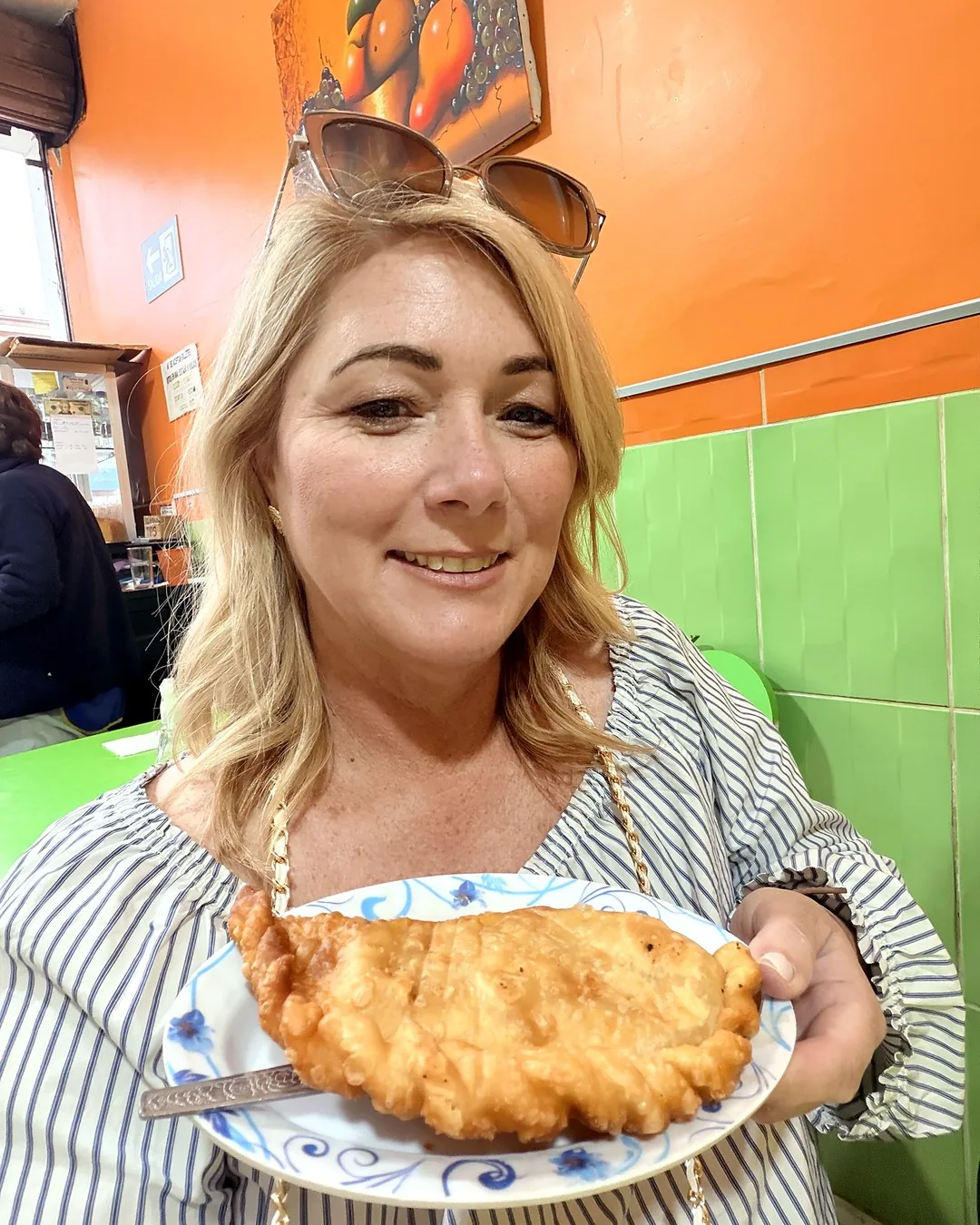
A local food guide is the best shortcut I know. Gael's tour in Lille gave me tastes from 6 places in one evening, plus a list of his own favorites for the rest of my stay. His list is how I ended up at Meert for pastry.
The best meals I've ever found by asking were in Saint Petersburg, Russia. We'd booked a full-day tour, and we asked our guide for two meals that day. For lunch, we wanted to eat where the locals eat. She took us to a little place the size of a bakery. The food wasn't pretty to look at, but it was spectacular. The language barrier was real, so she ordered for us, and everything she chose was amazing.
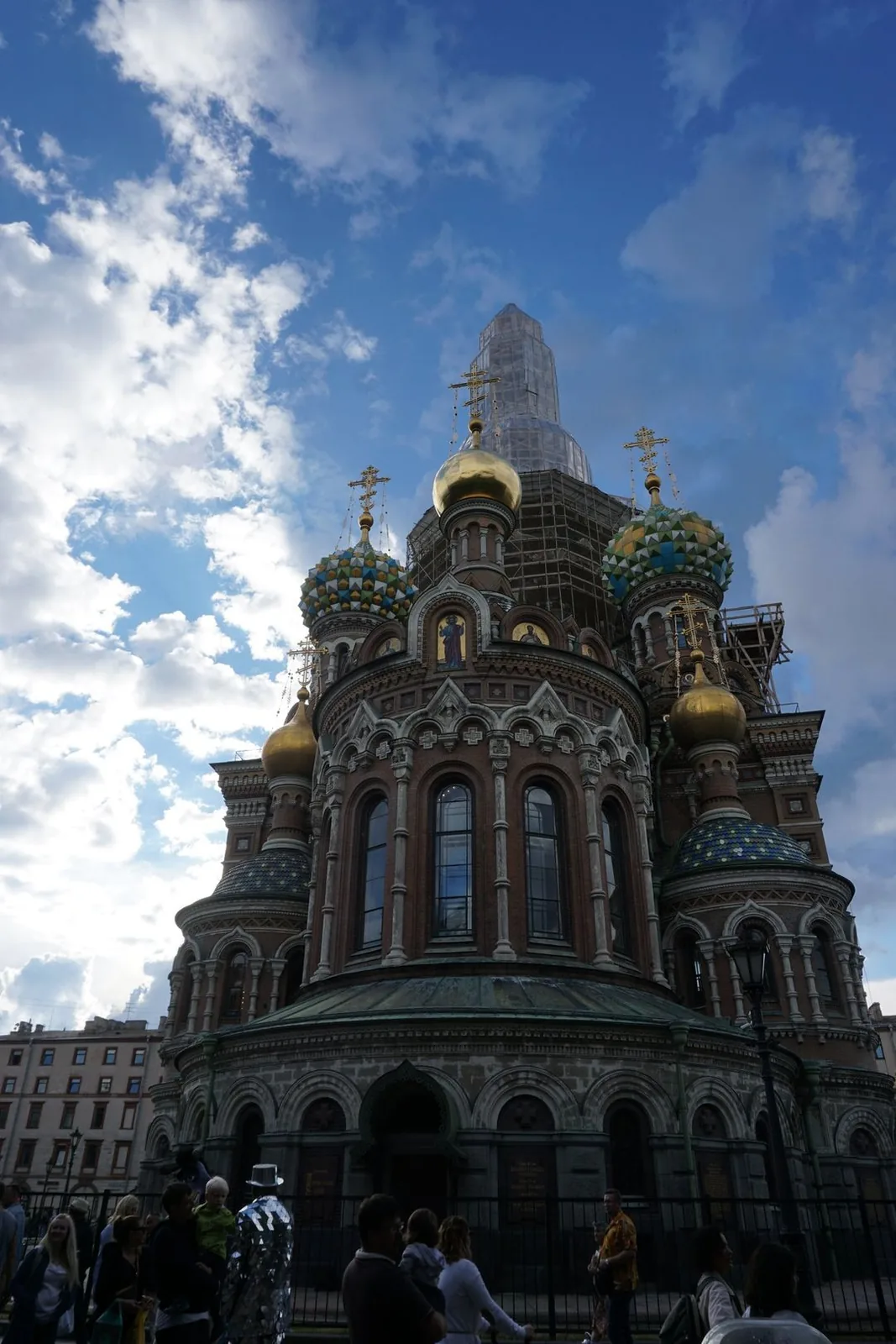
So we asked her where to have dinner. She sent us to the Four Seasons. We hemmed and hawed, because a big hotel restaurant was the last thing we expected. She told us to trust her, order from the menu of local dishes and try the pelmeni. We did exactly what she said, and it was so good.
That's the lesson. A good guide knows when the right answer is a tiny room only locals know, and when it's the hotel dining room you'd have walked right past.
Cooking class hosts are another good source, and my client Matt found that out in Japan. He took classes at what he called a professional chef's house, where they made Japanese fried chicken and pierogi. "It's not really normal fried chicken," he told me. The chef walked them through the history of each dish and the small tricks that make it better.
The best part, Matt said, came after the cooking. You sit down and eat together, and that's when you can talk to the chef and ask questions. Their chef sent them off with pointers to local dive bars and other places he liked. That's the kind of list you can't buy.
How do you spot a tourist trap restaurant?
I walk past 3 kinds of places:
- A host out front waving you in
- An oversized menu board out front
- A sit-down restaurant on the main tourist square
Places locals love rarely need to pull people in off the street. I want to eat what the people who live there eat.
Is it ever OK to eat on the main square?
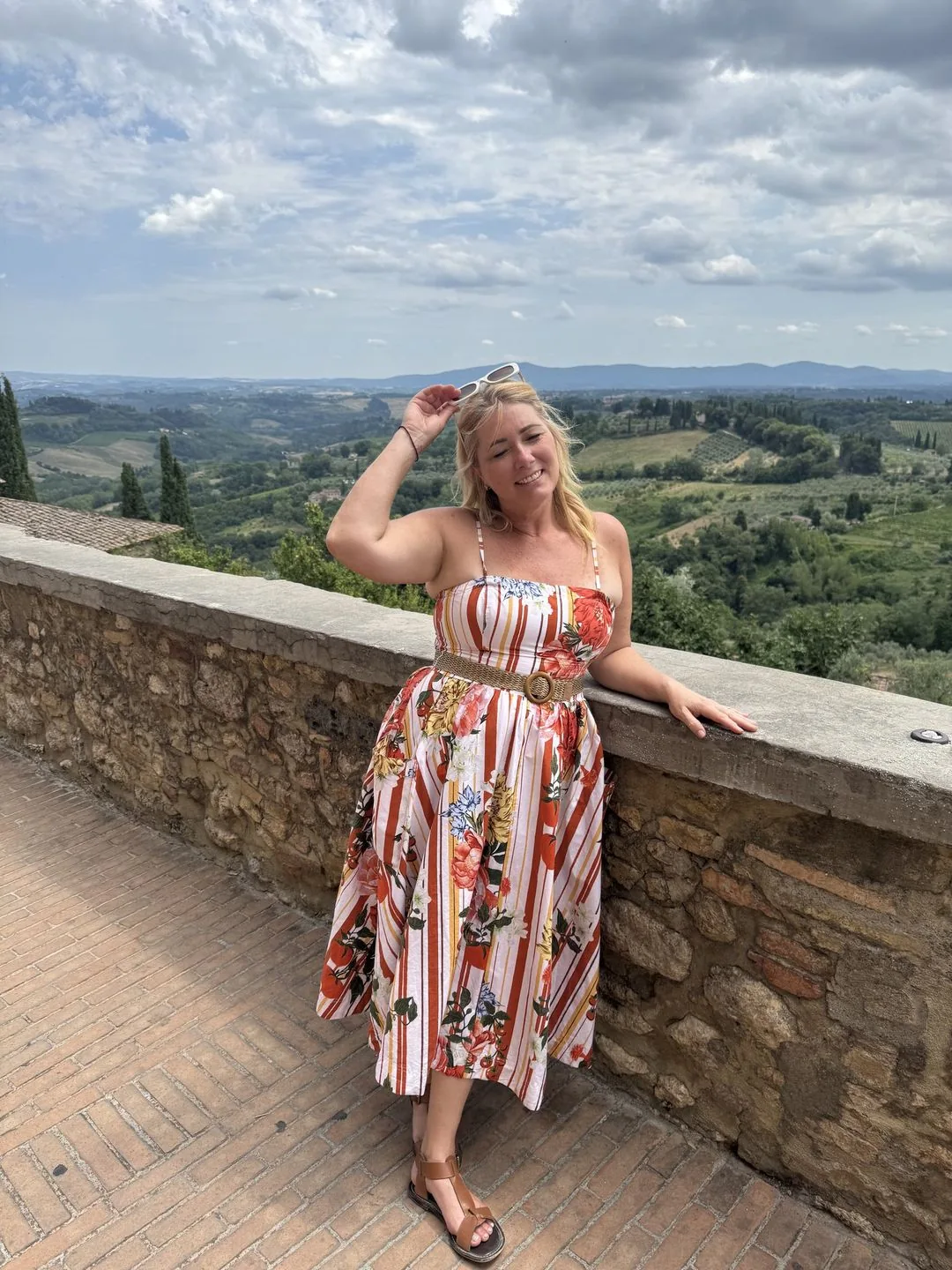
Yes, when a place is famous for one thing and does it well. Dondoli in San Gimignano sits right on the main square, and I'd still send you there. It's gelato, a quick stop, so the square doesn't matter. I'd save the long sit-down lunch for somewhere the locals go.
What if you don't speak the language, or you're eating alone?
Go anyway. On my solo train trip through Lille, Strasbourg and Colmar, I ate at regular tables almost every night and sat at the bar once. The servers were welcoming. Honestly, they got a kick out of me, and any language gap was on my side, not theirs.
A counter seat is a good move when you're on your own. At Vino Strada in Strasbourg, I sat at the counter facing the open kitchen and watched dinner happen in front of me.
One honest note: plan around Sundays. Colmar on a Sunday night was a ghost town, and the next time I'd put Strasbourg on the Sunday and save Colmar for a weeknight.
How I build this into your trip
When I plan a culinary trip, the research above is done before you pack. Your first night's table is booked. The meals worth planning around are on your itinerary, and the rest of your days have room for the places a guide or a chef sends you to.
I also put the people who know the food in your path: a local food guide on your first full day, a cooking class where you eat with the chef afterward, a truffle hunt in Tuscany that ends with lunch at the family's home. You learn the culture of a country through its food, and those are the people who teach it.
If you want a trip planned around the table, book a call and tell me where you've been dreaming of eating.
FAQ
How do I find where locals eat when I travel?
Book your first night ahead, then ask the people who work there: guides, bartenders and hotel doormen. A local food tour early in the trip gives you a list for the rest of your stay.
How do I avoid tourist trap restaurants?
Skip places with a host waving you in, an oversized menu board out front, or a sit-down dining room on the main tourist square.
Should I book every restaurant before I go?
I book the first night and any meal worth planning a trip around. I leave the rest open for local recommendations.
Is a food tour worth it?
Yes, early in the trip. My Lille tour gave me tastes from 6 places in one evening and a guide's personal list for the days after.
Should I eat at a hotel restaurant when I travel?
Sometimes. In Saint Petersburg, our guide sent us to the Four Seasons for its menu of local dishes, and the pelmeni was one of the best things we ate. If a local you trust says go, go.
Is it awkward to eat alone at a nice restaurant?
I didn't find it so. I ate alone across northern France and felt welcome every time. A counter seat facing the kitchen is a great spot for one.