Africa
African Safari: Kenya, Tanzania, Uganda, and South Africa
An African safari across Kenya, Tanzania, Uganda, and South Africa pairs game drives through the savanna with mountain gorilla treks and a beach finish, and it suits travelers who want wildlife, warm hospitality, and a slower reflective close to the trip.
I have been on safari myself in Kenya and has planned safaris for clients in Tanzania, Uganda, and South Africa as well, so I match each traveler to the right countries, camps, and pace rather than a single fixed itinerary.
The path winds from a dawn game drive to a gorilla family in the forest to a white sand beach, and the palate is a sundowner in the bush at the end of a golden afternoon.

I have personally been on safari in Kenya. For Tanzania, Uganda, and South Africa, I design journeys using the camps, guides, and ground partners I trust, built on everything I learned firsthand in Kenya.
By Charity Auger · Last updated: November 2026
When is the best time to go on safari in East Africa?
The long dry season, roughly June through October, is the classic window for game viewing in Kenya and Tanzania, when the Great Migration typically reaches the Masai Mara from about July through October with dramatic river crossings.
January and February bring a different kind of drama: the calving season in Tanzania's southern Serengeti, when newborn herds draw predators close. The long rains of April and May bring green landscapes and fewer visitors, though some camps close for the season.
I weigh what a traveler most wants to see, the migration crossings, the calving, or quieter months, against which camps are open and how the parks are flowing that year, and builds the itinerary around that rather than a generic calendar.

Is it better to stay inside a national park or a private reserve?
Camps inside or right beside a park or reserve put you in the middle of the action so your game drive begins the moment you leave camp, while camps farther out mean longer drives before you reach the best wildlife areas.
National parks require vehicles to stay on designated roads, while private reserves and conservancies bordering places like Kenya's Masai Mara or South Africa's Kruger allow guides to go off-road, run night drives, and lead guided bush walks, with fewer vehicles at each sighting.
I know which parks keep you on the roads, which reserves allow off-road access and private vehicles, and which camps offer night drives or walking, and I build a safari that combines both experiences when that is the right fit.
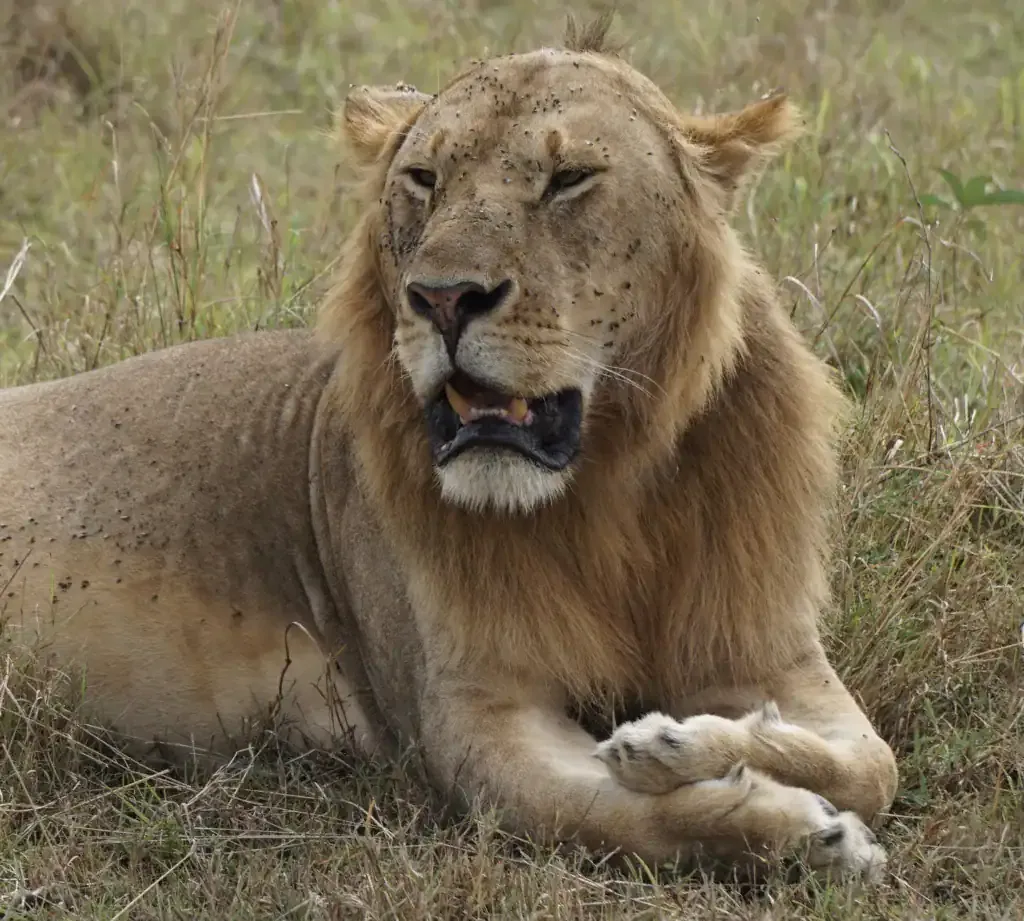
What does a private vehicle add to a game drive?
A shared game drive follows a set schedule with other guests from your camp, while a private vehicle means the guide and the day are entirely yours, free to leave before sunrise or linger at a sighting as long as you like.
For photographers, families, and travelers who want to set their own pace, a private vehicle changes the whole feel of a safari. I know which camps offer this option and arranges it when it matters most to a traveler's style.
How old do you have to be to trek mountain gorillas?
Gorilla trekking in Uganda is open to travelers fifteen and older, treks can be moderate to strenuous, and once you reach a gorilla family you spend about an hour in their presence.
Permits are limited and must be secured well ahead, and Charity sequences the trek alongside the rest of a Uganda itinerary, lush forests, crater lakes, chimpanzees in Kibale, so the timing and pace work for the whole group.
Can a safari end on the beach?
Yes, and Zanzibar is Charity's top choice, with white sand beaches, turquoise water, and the history and spice markets of Stone Town just a short flight from the safari parks; Kenya's coast is another option.
After early mornings and bumpy tracks, a few nights on the sand let travelers slow down and reflect on everything they have seen. I build this close into the itinerary from the start, choosing the flight timing and the property that fits the rest of the trip.
More than one right trip
Three ways to experience an African safari
A safari can be built around classic game drives, a more active pace on foot and by bike, or a journey that adds gorillas and a beach finish.
Classic game drive safari
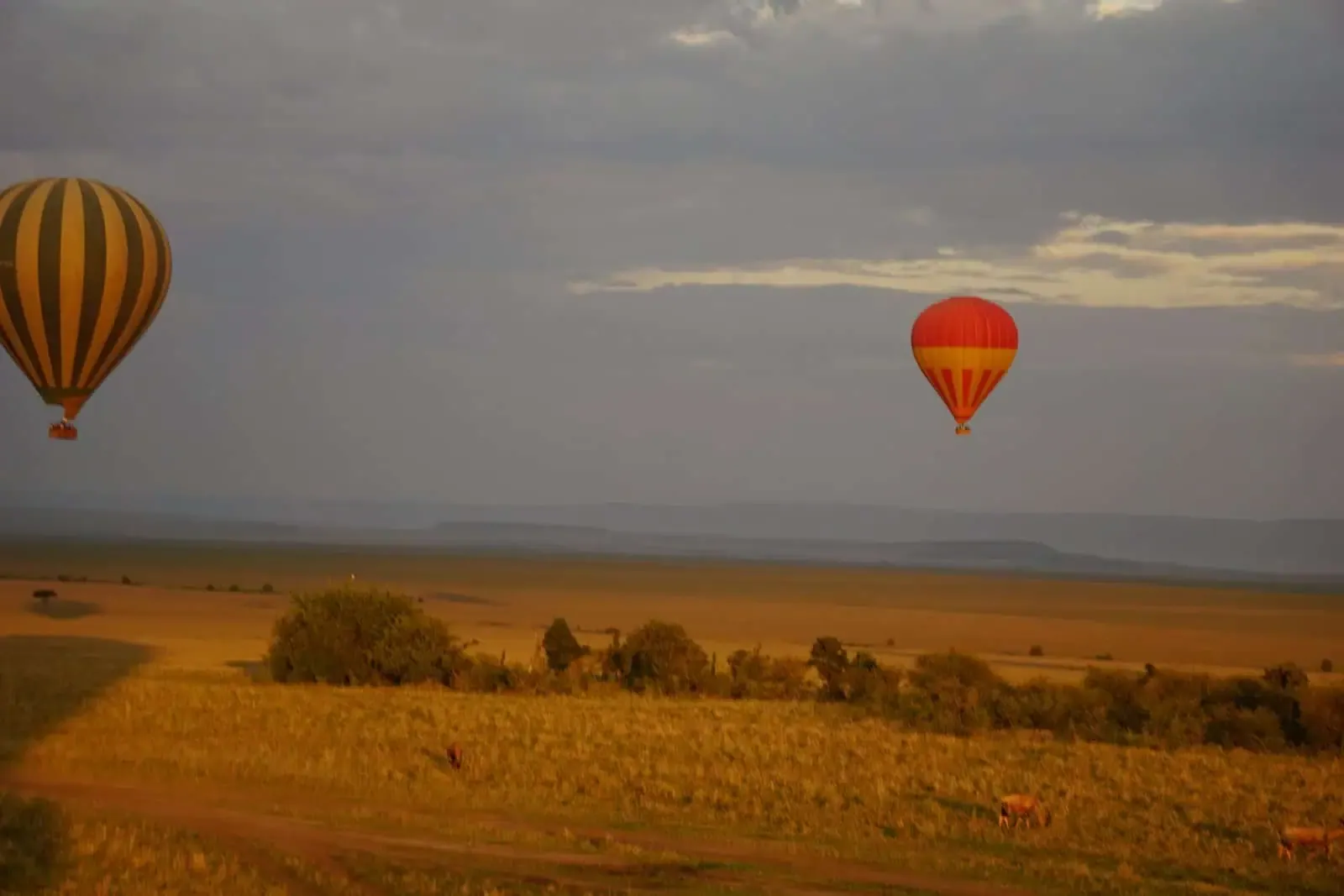
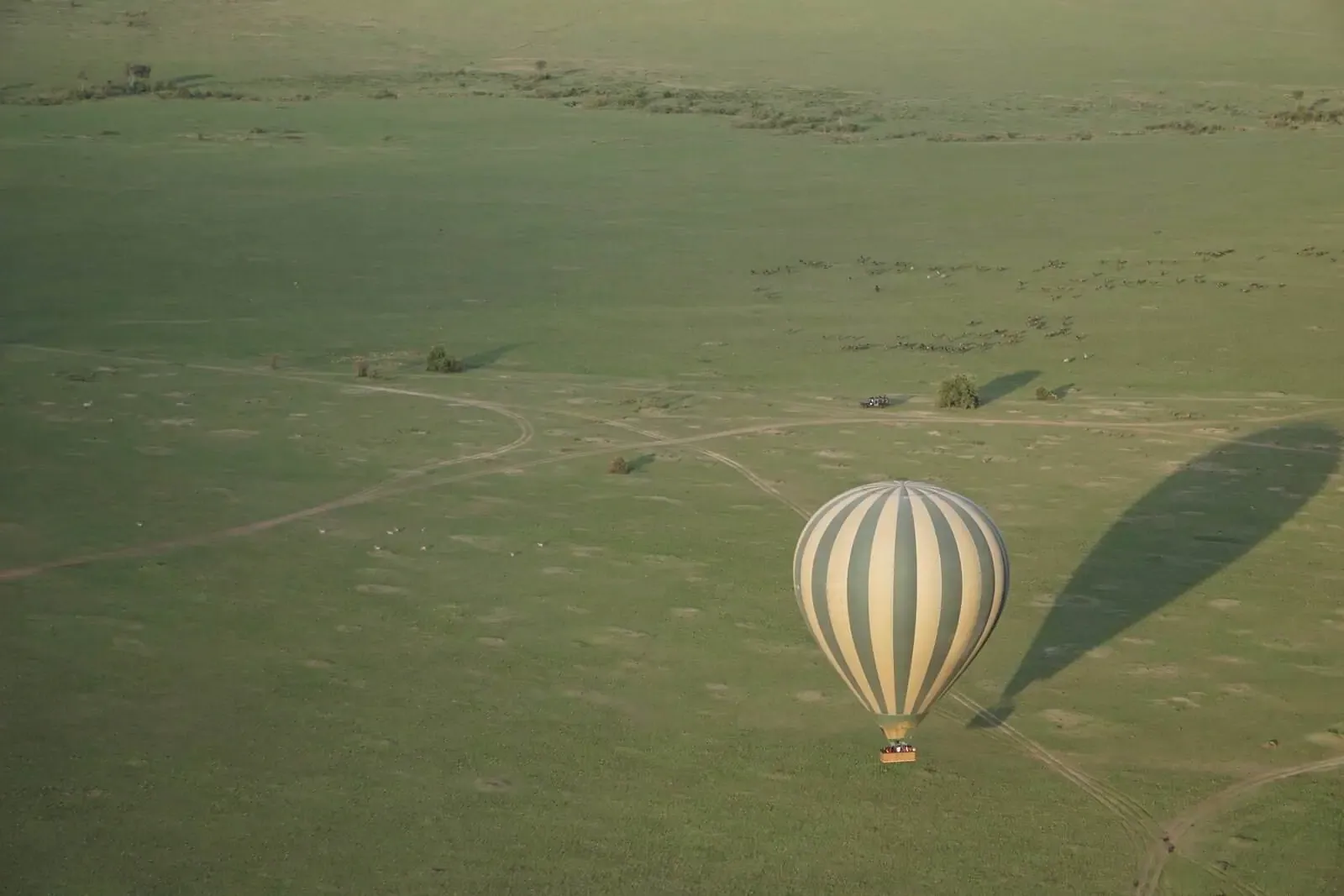
Mornings and late afternoons in the vehicle in Kenya's Masai Mara or Tanzania's Serengeti and Ngorongoro Crater, timed to the dry season or the calving season, with a hot air balloon flight over the Mara at dawn for travelers who book it well ahead.
Active safari on foot and by bike
Walking with an expert guide and cycling through open country, available in select private conservancies and parks like Kenya's Hell's Gate, arranged in advance with qualified guides and, in many areas, armed rangers.
Gorillas and a beach finish
A trek to see mountain gorillas in Uganda's Bwindi Impenetrable Forest, paired with chimpanzees in Kibale or South Africa's private reserves bordering Kruger, then closing on the sand in Zanzibar or along Kenya's coast.
Which country and season fit your safari?
East Africa and South Africa run on opposite seasons, so there is a strong safari window somewhere in Africa almost every month of the year.
| Country | Best time | Highlight |
|---|---|---|
| Kenya | June to October for the dry season; July to October for migration river crossings | Masai Mara and Amboseli beneath Kilimanjaro |
| Tanzania | June to October dry season; January to February calving season | Serengeti, Ngorongoro Crater, Tarangire, pairs with Zanzibar |
| Uganda | Year-round, drier months ease the hiking | Mountain gorillas in Bwindi, chimpanzees in Kibale |
| South Africa | May to September dry season; November to March for the Cape | Private reserves bordering Kruger, pairs with Cape Town and the Winelands |
From Charity’s travels
A morning in the Mara
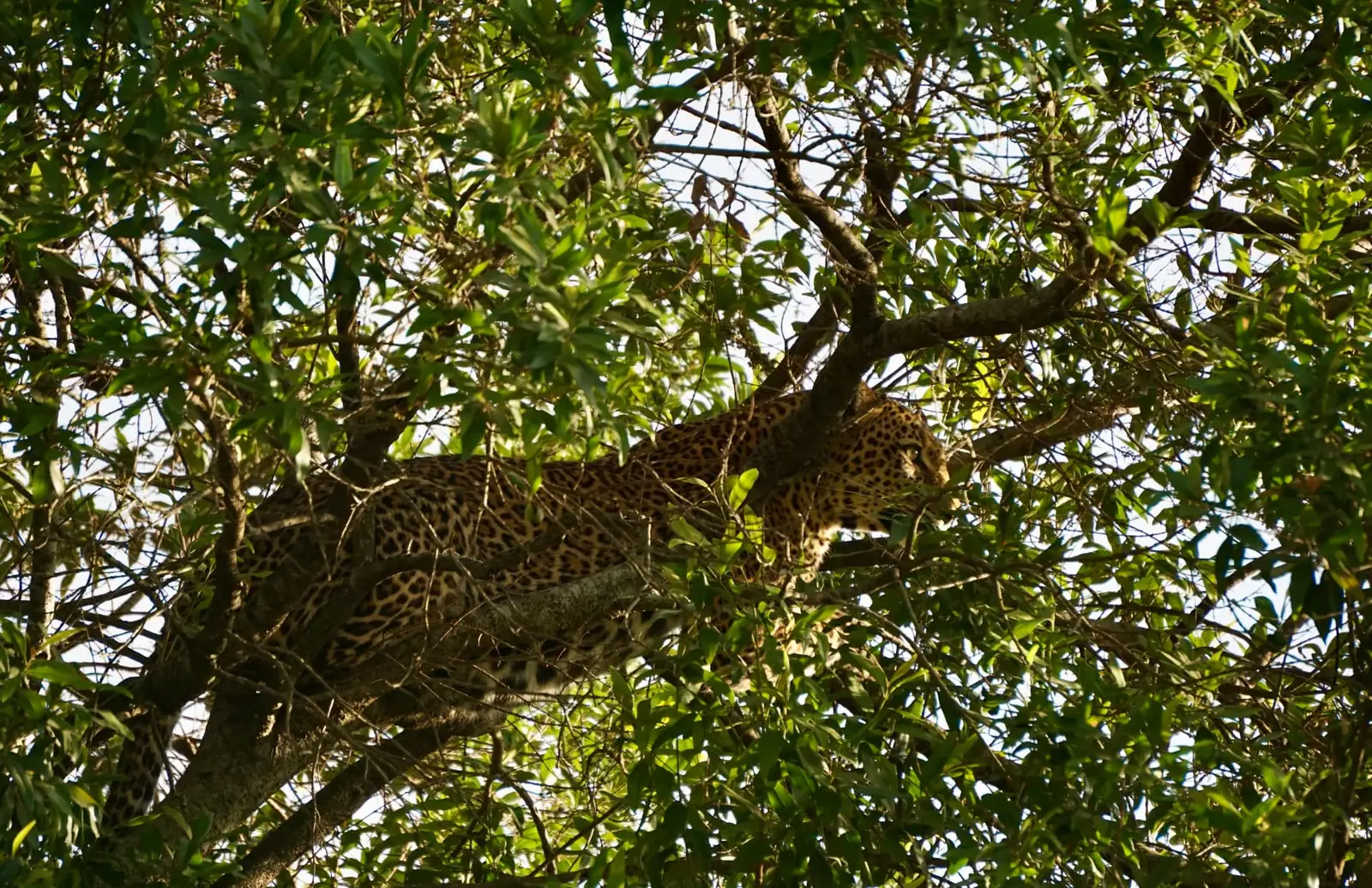
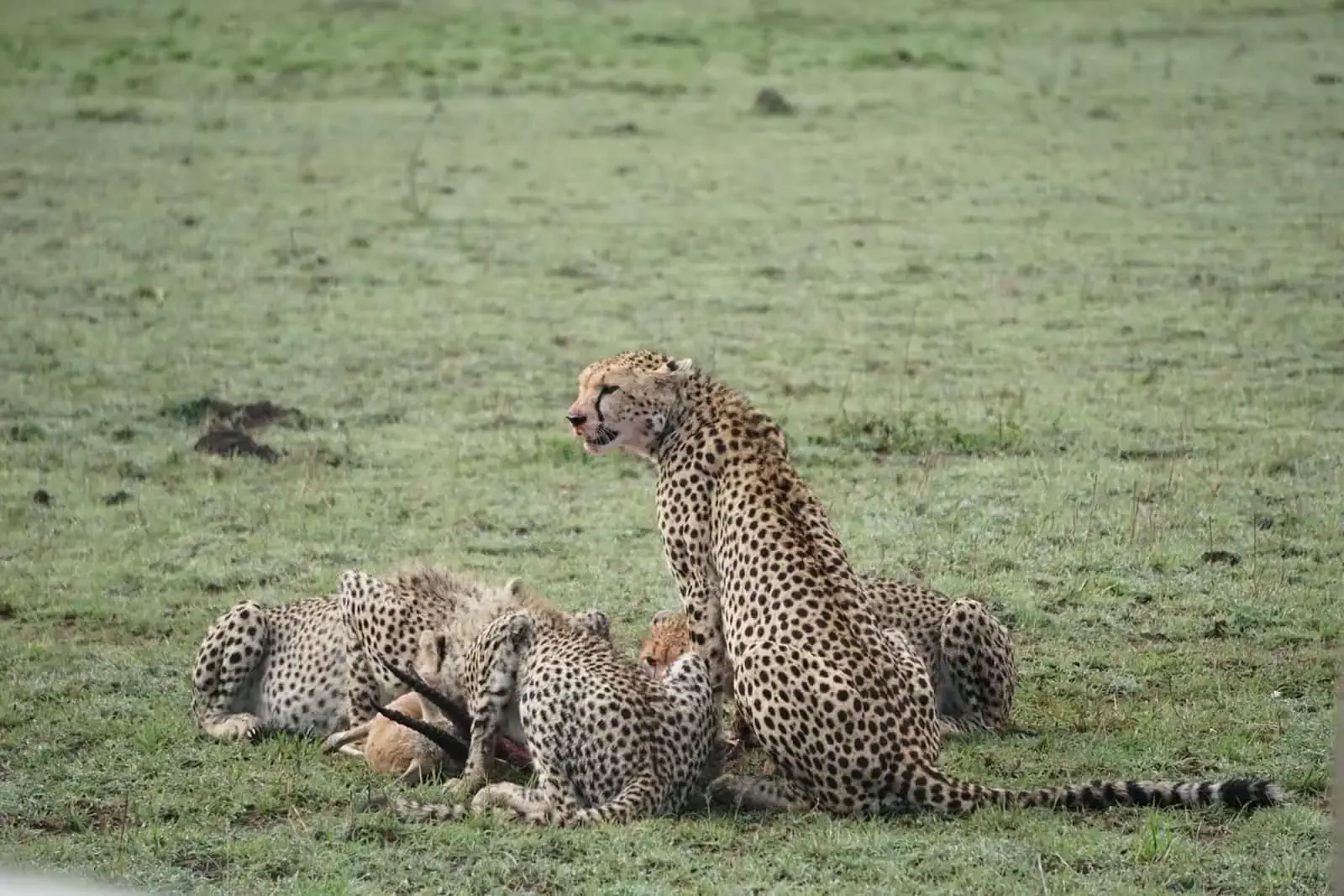
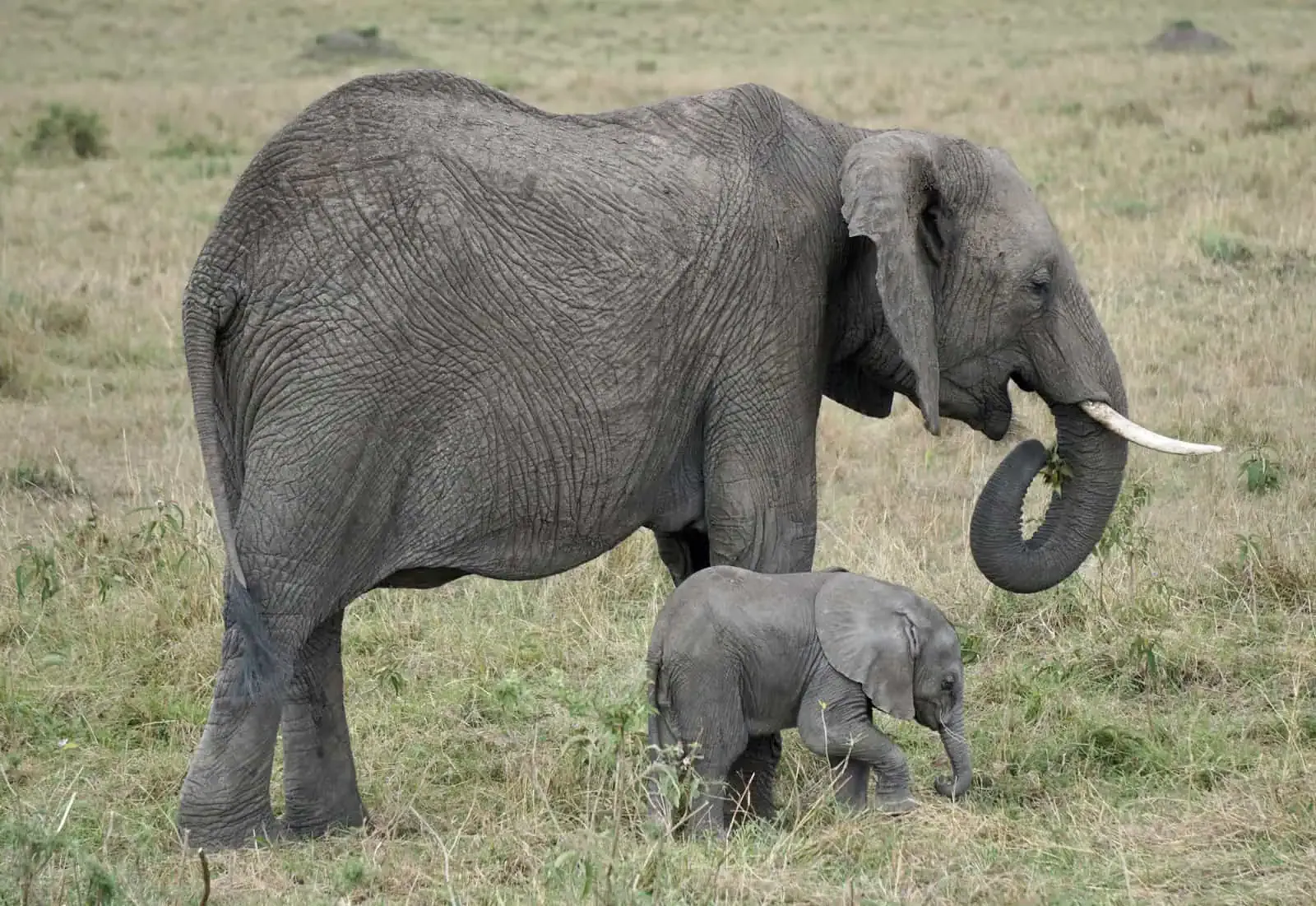
For Charity, the game drives were the heart of her Kenya safari. Early mornings, when the predators are still active, and late afternoons, when the light turns gold, each drive felt like a new story unfolding: elephants crossing in front of the vehicle, giraffes moving across the horizon, a cheetah scanning the plains from a termite mound.
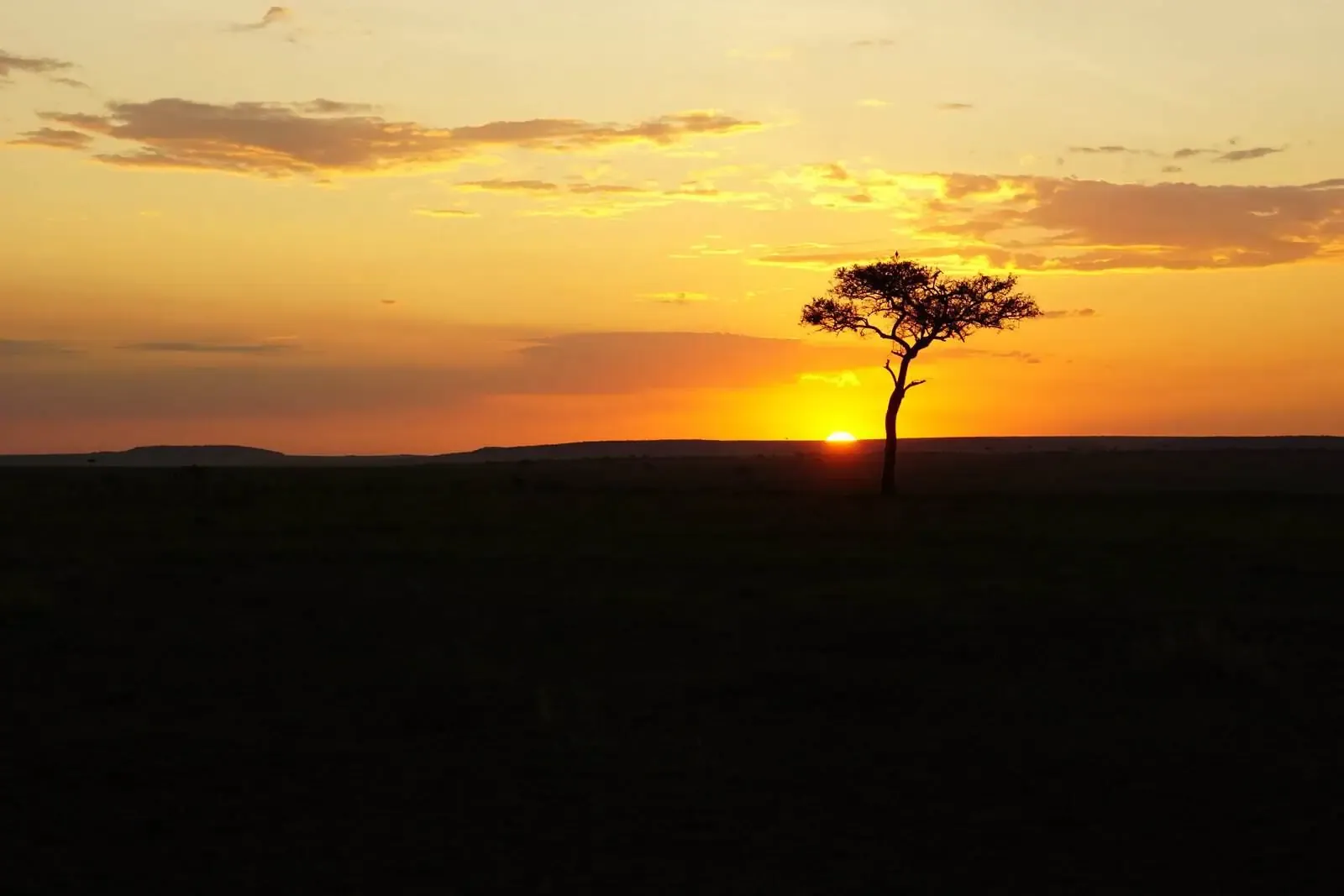
A sundowner in the bush at the end of the day became a ritual I did not want to give up, and it is the kind of detail I now builds into every safari I plan for clients.
Through Charity’s lens
Photos from the trip
Keep exploring
- Explore more hidden gems and off the beaten path journeys
- See bucket-list trips in the luxury and bucket-list style
- Compare an Alaska glacier and wildlife journey
- Explore the Galapagos Islands for a different kind of wildlife trip
- See how I plan a trip from first call to final day
- Start planning your African safari
Let's plan your safari
Tell me what you dream of seeing, from the migration to the gorillas to the beach at the end, and I will match you with the right countries, camps, and season.
Start PlanningLast updated: November 2026